
Running a Sex Offender Check in Williamsburg County
The official starting point is the South Carolina Sex Offender Registry, which uses the Department of Justice SORT application. SLED and county sheriffs share update duties. That makes the state tool the public search layer, while the Williamsburg County Sheriff is the local contact for registration instructions or a report of suspected noncompliance. The county sheriff division hub gives the local agency route when the public database cannot settle a question.
Start with the least ambiguous facts available. A full name can find a known person. An address, city, county, or map search better serves neighborhood awareness. Compare photographs, aliases, conviction data, residence detail, and the last update rather than relying on one shared name. Data can change fast, and SLED cautions that some information may come from a registrant before local verification. A profile is a statutory registration record, not a live finding about present conduct or risk.
Williamsburg County Registry Is Separate from CATCH
SLED CATCH and SORT are two distinct products. CATCH returns a paid, name-based South Carolina criminal-history report built from fingerprint-supported submissions. SLED states that it does not search the sex offender registry. SORT is free and focused on people required by law to register after qualifying convictions. Running only one search can therefore leave a false sense that the other source was included.
The split also explains why a Williamsburg County court result may look different. The Williamsburg Public Index tracks a specific filed case and disposition. CATCH assembles a statewide history cycle. SORT publishes the separate registration profile and map. Use the registry for community awareness, the court index for the case record, and CATCH for the state repository layer. These records overlap, but none is a substitute for the others.
Note: A blank CATCH result does not establish that a separate Williamsburg County SORT profile does not exist.
Searching the South Carolina Sex Offender Registry
The SLED registry landing page states the conditions for using SORT and routes the public to the search. Its captured official view marks the right gateway for a Williamsburg County registry check.
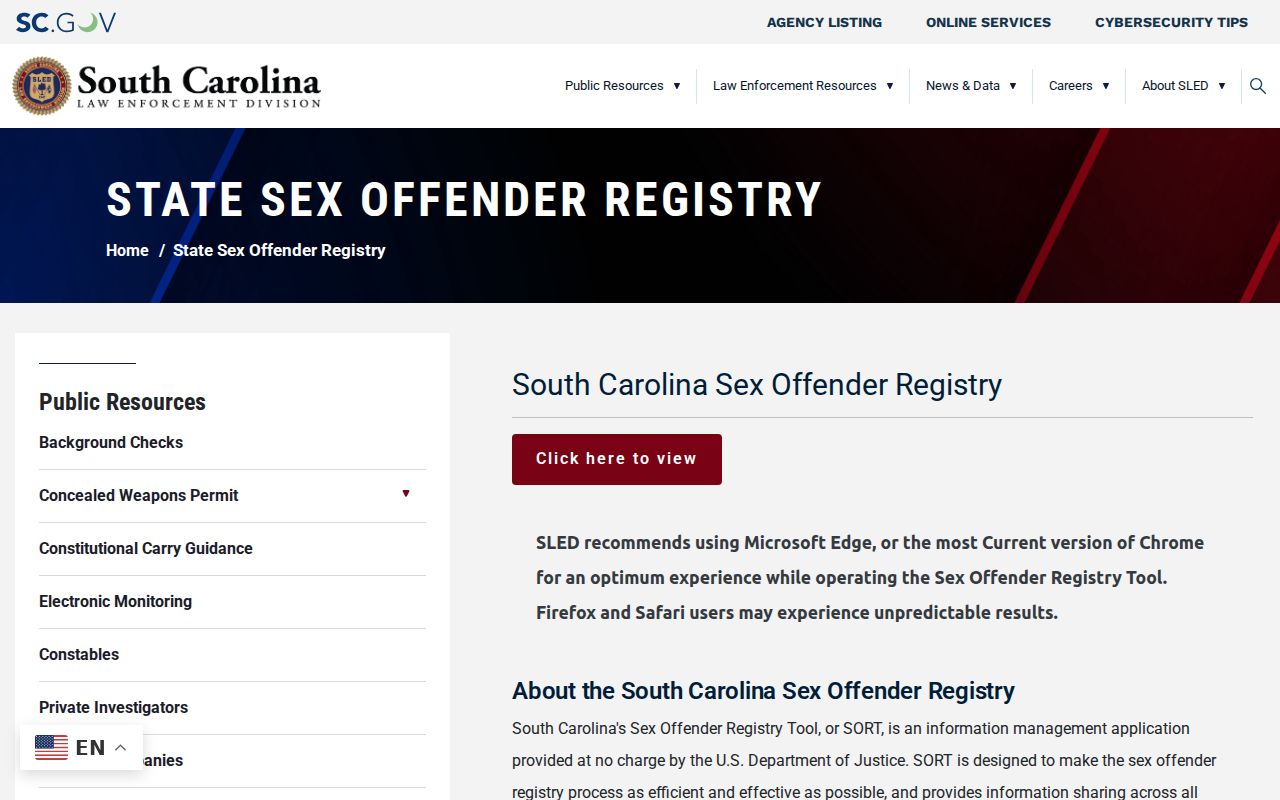
This state entry point also carries the current notices that should control over old third-party summaries.
- Open the SLED registry gateway, accept the conditions of use, and enter the displayed security code.
- Choose a name search or enter place data. Select Williamsburg for the county filter when the goal is a county-wide result.
- Review the result list, aliases, photographs, residence map, and update detail. Do not match a person by name alone.
- Open the full profile for the qualifying offense, conviction jurisdiction, registration status, and other released fields.
The live Williamsburg County search can be narrowed through the following identity and location fields.
| Field Label | Type | Required | Notes |
|---|---|---|---|
| Conditions of Use | Agreement | Yes | Accept before entering SORT |
| Captcha | Security code | Yes | Enter the shown code, then continue |
| Name | Text fields | No | First and last name; aliases may appear |
| Address, City, ZIP | Text or select | No | Use for a place-based search |
| County | Dropdown | No | Select Williamsburg |
| Map or Radius | Map controls | No | Check current radius choices in the live tool |
| Community Notifications | Separate form | No | Registers an alert request |
Williamsburg County SORT Browser Access
SLED recommends a current version of Edge or Chrome for SORT. Its official notice says Firefox and Safari may behave in an unpredictable way. If the Williamsburg County registry will not pass the agreement screen, captcha, or map controls, retry in one of the recommended browsers before concluding the database is down. Clear only the search criteria when revising a query; do not assume a failed screen means there are no matches.
Browser choice is a small point with real value. Registry searches contain several stages, and an error at any one of them can hide the result panel. Search by county first, then narrow by city or address. If an address yields nothing, try Williamsburg County with a name or map view. The absence of a hit under one spelling or one mode is not proof that no public profile exists.
What a Registry Profile Shows
A Williamsburg County registry profile can combine identity, appearance, address, map, conviction, and compliance fields. SLED describes multiple photographs over time, aliases, a visual residence map, and all sexually related conviction offenses. The live layout may also release physical details and other statutory fields. The image tied to South Carolina Code Title 23, Chapter 3 provides the legal setting for that public profile.
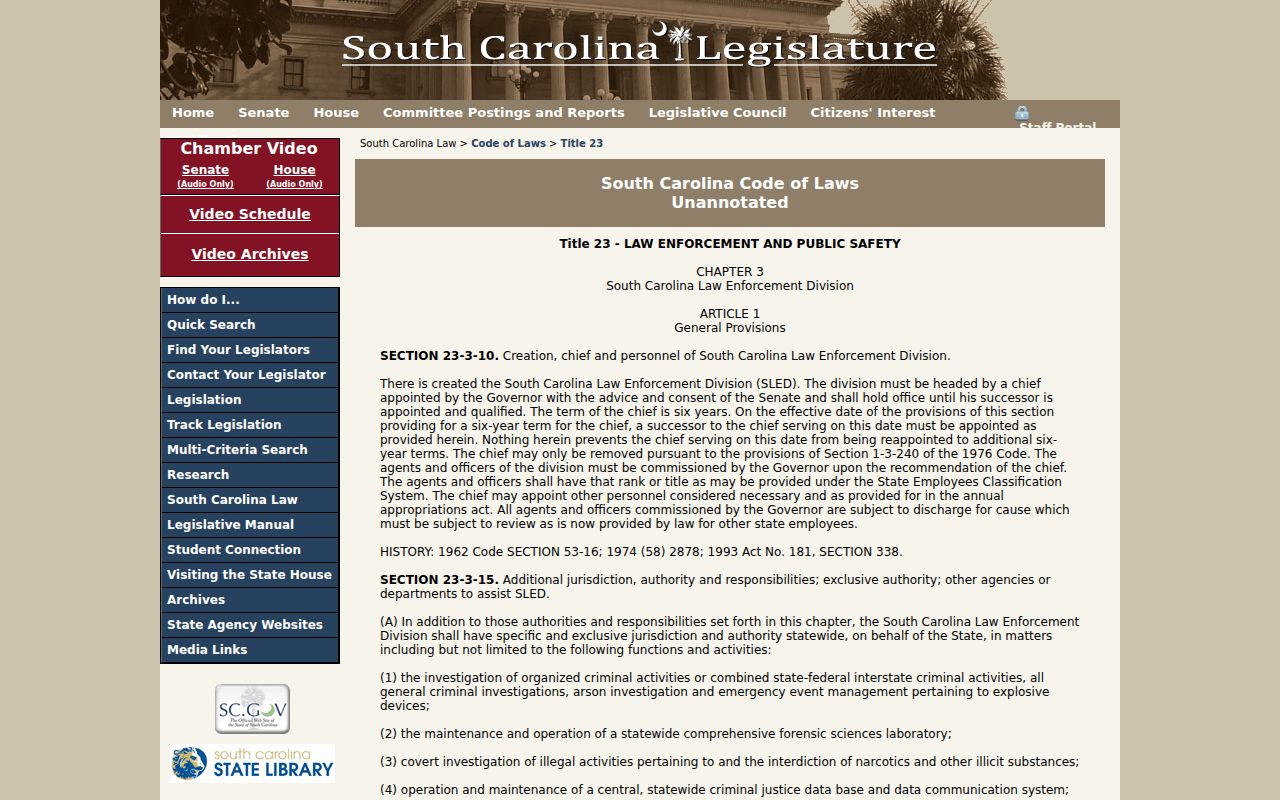
Those fields must be read as a dated record, with the statute and SLED disclaimer setting the limits.
| Name & Aliases | Identity header and released alternate names; a shared name alone is not enough to identify a person. |
|---|---|
| Photos & Description | Photographs over time plus released age or birth, sex, race, height, weight, hair, and eye details. |
| Registered Address | Primary or secondary residence and a map at the granularity state law permits. |
| Offense | Qualifying offense, statute, conviction date, and conviction jurisdiction. |
| Tier & Status | Tier or category where displayed, registration jurisdiction, compliance status, and verification or update date. |
| Other Released Data | Vehicles, school or work detail, scars, marks, tattoos, or other fields only when the current profile publishes them. |
Correcting a Williamsburg County Registry Address
A residence marker that seems wrong should lead to an official report, not a confrontation. First note the profile, displayed update, address, and the exact point that appears inconsistent. Contact the Williamsburg County Sheriff for local registration or compliance instructions. The county does not publish a distinct registry-unit schedule, so call the sheriff at 843-355-6381 and ask for the responsible unit before visiting 200 S. Jackson Street in Kingstree.
SLED also accepts correction or reporting questions at 803-896-2601 and sor@sled.sc.gov. Mail may go to SLED SOR, P.O. Box 21398, Columbia, SC 29210; the listed fax is 803-896-2311. Give facts, not guesses. The local sheriff and SLED can check compliance through channels that are not exposed on a public map. The public should not try to verify an address by approaching a home or posting an accusation.
Note: Registry data may change quickly, and a registrant may supply a detail before the local agency verifies it.
Registration Requirements and Levels in South Carolina
South Carolina uses three tiers, but the key dates below describe the earliest route to seek termination, not an automatic end date. Adult Tier I and Tier II registrants may apply to SLED after the minimum statutory period and other conditions are met. An adult Tier III registrant has no administrative SLED termination route and may seek relief in General Sessions after the stated period. Registration continues until written removal is granted.
| Tier | Minimum Period and Visibility | Decision Channel |
|---|---|---|
| Adult Tier I | At least 15 years before a possible removal route; public SORT profile while registration remains | Paper application to SLED if conditions are met |
| Adult Tier II | At least 25 years before a possible removal route; public SORT profile while registration remains | Paper application to SLED |
| Adult Tier III | At least 30 years before a possible court route; public SORT profile while registration remains | Motion in General Sessions under §23-3-463 |
The tier framework changed through 2022 Act 221 and later 2025 legislation. The August 2026 SLED material should control when an older summary conflicts. The required verification frequency is not stated in the research sources, so it should be confirmed with the sheriff or SLED rather than inferred from the tier label.
Williamsburg County Registry Removal Packet
The paper-only termination process is exacting. A Tier I or Tier II applicant must send SLED a completed application, two recent FD-258 fingerprint sets, a $250 nonrefundable cashier's check or money order, all sentencing and disposition documents, and proof of completed required treatment. Key conditions include no failure-to-register conviction during the prior ten years and no later sexual offense. SLED notifies the original prosecuting agency and states that it acts within 120 days after receiving a complete request.
The official destruction and under-seal rules help show why ordinary case relief is not the same as ending a registry duty.
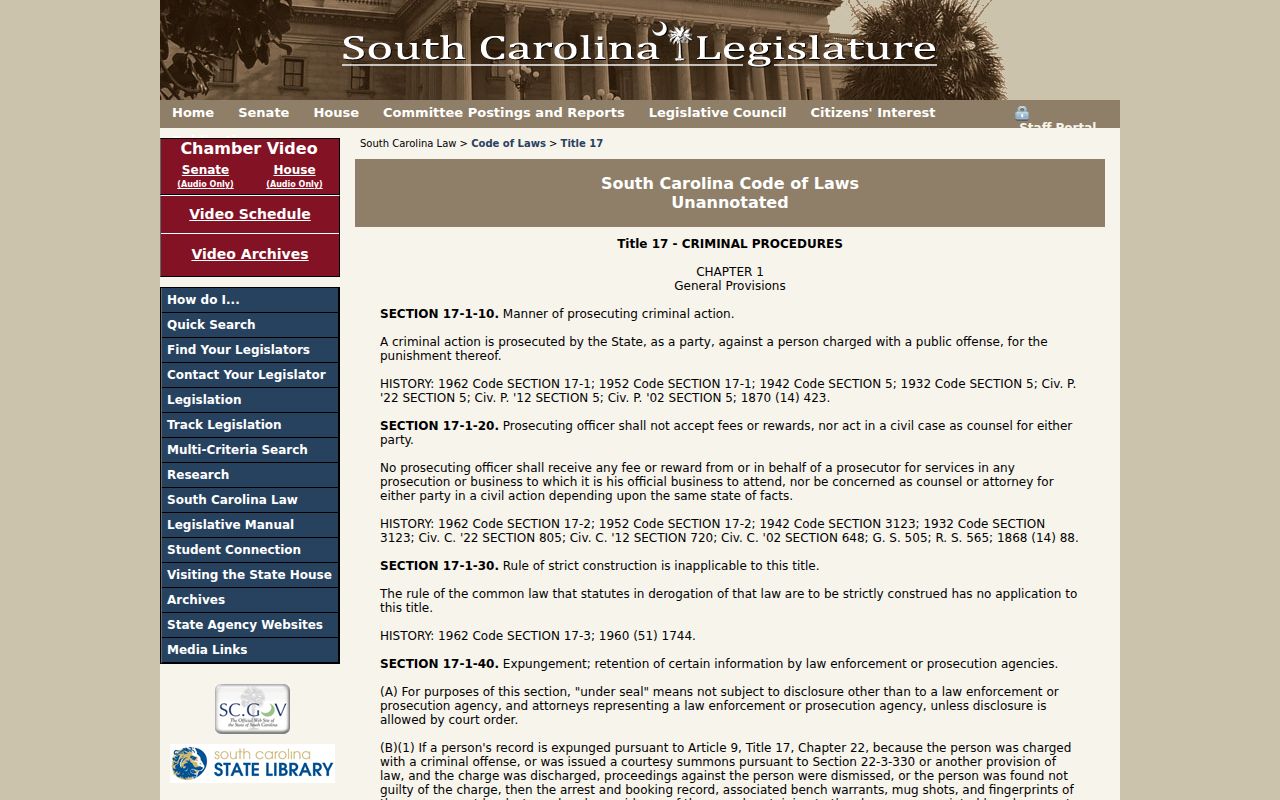
A separate order affecting an arrest record should never be treated as proof that SLED has ended registration.
Likewise, the South Carolina diversion and expungement statutes govern other record-clearing paths.
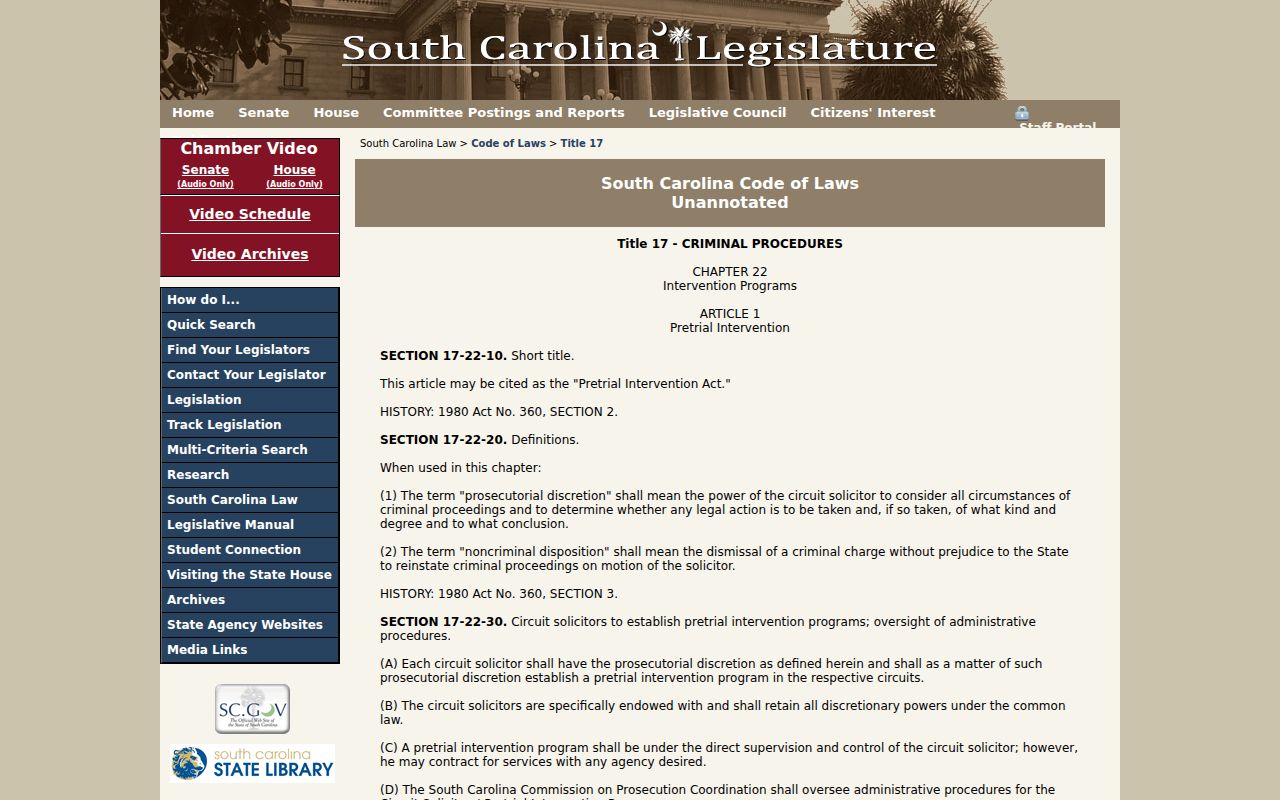
Each process has its own eligibility test, decision maker, and record effect. A denied registry applicant generally must wait five years to reapply.
Williamsburg County Registry Search Beyond South Carolina
A county filter is useful for local awareness, but it does not follow a person across state lines. The U.S. Department of Justice National Sex Offender Public Website searches participating jurisdiction registries from one official federal layer. It is the better next step when a search concerns an address near a border, a former residence outside South Carolina, or a name that may be registered elsewhere.
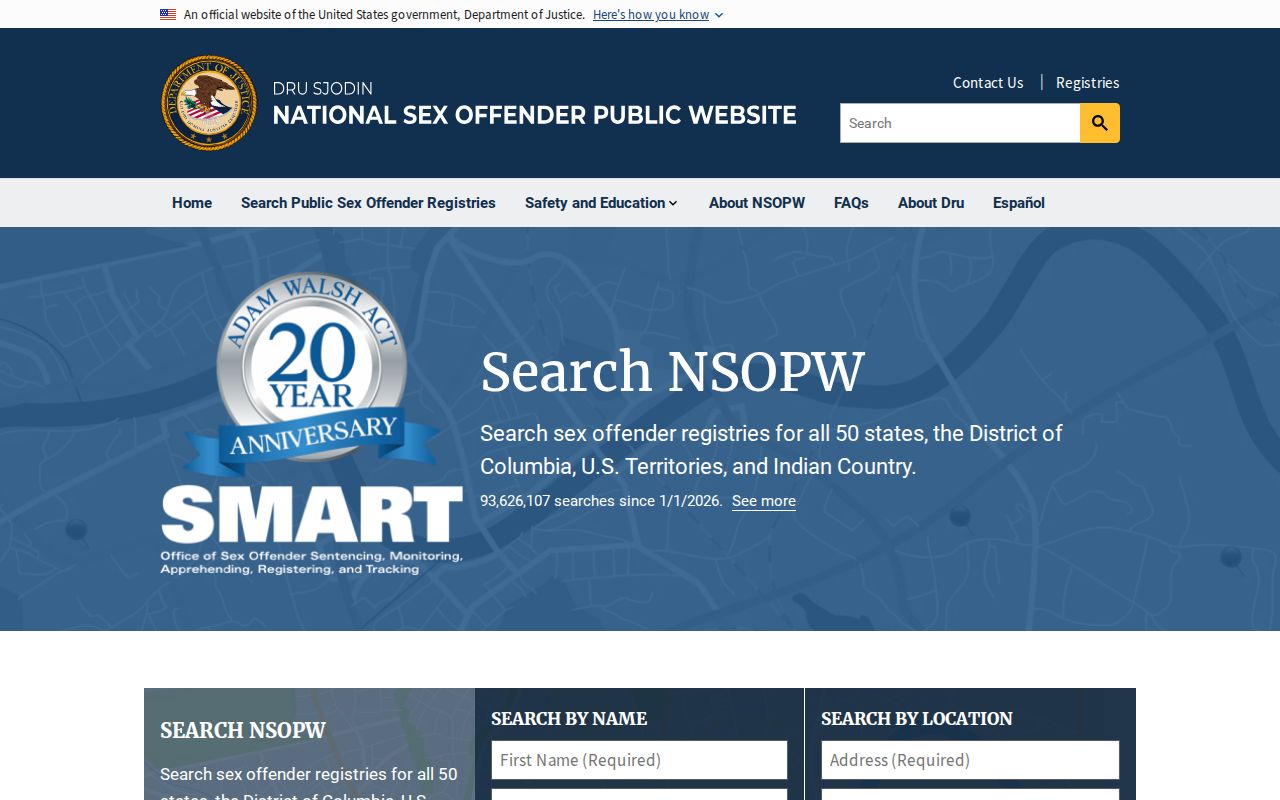
NSOPW broadens geographic reach, while the original jurisdiction remains the source for profile detail and corrections.
Do not merge a national result with a local profile based on a name alone. Compare the released photo, age or birth detail, aliases, conviction jurisdiction, and address information. Then return to the linked state registry for the current source record. This two-layer check is especially useful when the Williamsburg County search gives an incomplete geographic picture.
Williamsburg County Registry Notifications
SORT offers Community Notifications as a separate registration path. Enter the registry, choose the notification link, complete the alert fields, and accept the agreement. SLED notes that users of a prior system had to register again. Someone who once received notices should not assume that an old account migrated. Re-enroll through the current SORT interface and retain the confirmation supplied by the service.
Alerts support awareness around a chosen place, but they do not replace a fresh search. A notice may follow the service's own timing and location rules. Check the live Williamsburg County results when current detail matters, and use the sheriff or SLED contact channel when an update appears wrong. No official Williamsburg sheriff app was verified during the research sweep, so there is no supported app-only registry tool to recommend.
Lawful Use and Community Notification
The registry exists for public awareness and safety planning. Read its facts in context. A listing reflects a qualifying conviction and a legal duty to register; it is not a government prediction that someone poses a current threat. Community notification should prompt calm use of official sources, reasonable family plans, and fact-based questions to SLED or the Williamsburg County Sheriff.
Misuse is a crime: Under S.C. Code §23-3-510, using registry information to injure, harass, or commit a crime can add up to $1,000 and six months for a misdemeanor or up to five years for a felony.
Do not threaten, confront, or target a registrant or household. Report suspected noncompliance through the sheriff or SLED instead. The official Williamsburg County government directory is the safe way to confirm the local agency, and SLED remains the source for statewide registry corrections. These channels preserve evidence and place the inquiry with officers authorized to act.